


The AI trillion-Dollar surplus
Global trade growth is running on investment in data centers by rich countries, so it should be no surprise that the world’s biggest exporter is running up eye-popping trade numbers.
Chinese exports increased 35.2% year-on-year in October to $412.3 billion. Imports rose 41.6% to $307.1 billion.
For the first 10 months of 2026, exports now amount to $3.8 trillion, and imports to $2.7 trillion, notching a trillion-dollar-plus trade surplus– with two months still to go.
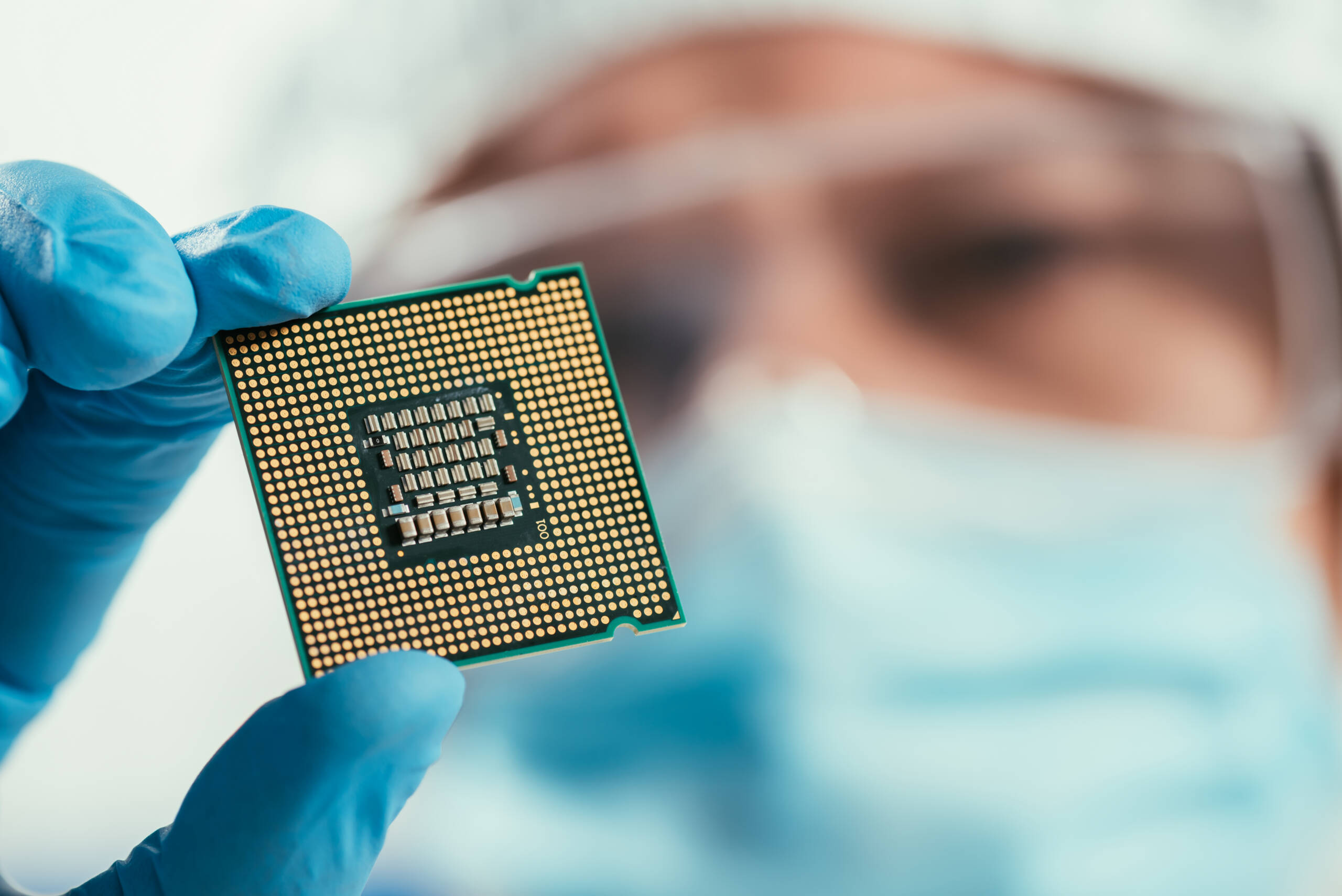
China’s exports of automatic data processing machines and parts rose 115% in October to $34.9 billion. Shipments of integrated circuits rose 137.5% to $39.6 billion. Overall, high-tech exports increased 66.8% to $138.4 billion. China has also itself been investing heavily in data centers and other AI technology. China more than doubled its imports of automatic data processing machines, ramping them up 261.7% to $24.1 billion.
The AI boom is the kind of hardcore investment frenzy, which history books will judge as a revolution in human life—or a financial bubble (or some mix of the two) on par with tulips in the 17th century, railways in the 19th, and dot.com around 2000.
Trade with U.S. picks up but soybean imports fall
The massive trade surplus is likely to heighten concerns around the world about China’s export dominance. U.S. and Chinese leaders are set to meet next week at the Asia-Pacific Economic Cooperation summit in Shenzhen.
But the world’s two superpowers have extended a trade détente that has reboosted trade across the Pacific. In October, shipments to the U.S. rose 32.9% to $46.4 billion, while purchases from the U.S. increased 35.3% to $13.7 billion.
However, one item from the new preliminary numbers is sure to displease a core American constituency: farmers. China cut its imports of soybeans 22.5% to 7.3 million tons. It also reduced its imports of meat, fruit, and grain.
No end in sight for Europe’s China problem
Exports to the European Union increased 24.4% to $54.6 billion, while imports from the EU slipped 4.2% to $21.2 billion.
When we were in Brussels last month, we heard concerns that Chinese exports being kept out of the U.S. by tariffs were finding their way to Europe, as if trade were a zero-sum game.
Instead, what is happening is that the Chinese export machine is primed to export almost infinite amounts of goods to any market in the world. Its rails and ports have had 20 years of development. Its currency is cheap, making its exports cheap. Its factories are heavily automated and the labor rates are low.
How Long Can Chinese Export Boom Last?
These Chinese trade numbers are so extreme that it is hard to imagine the boom being sustained over the long-term.
By value, there were declines in only two export categories, both small, niche industries: fertilizers, down 43.8% to $935 million, and ceramic products, down 19% to $1.2 billion. Exports of mobile phone fell 17.9% by quantity to 57.7 million but rose 13.3% by value to $17.6 billion.
There are a few countries where China has a trade deficit. They are all resource-heavy commodity exporters, such as Russia, Brazil, and South Africa. Imports from Russia rose 52.3% to $16.7 billion. Exports to Russia increased 31.7% to $11.2 billion.
The only nation where China did not increase exports: New Zealand. Shipments fell 0.1%. Imports increased 14.8%.
The buildup is highest with its Asian neighbors. Exports to Malaysia increased 73.3% to $13.1 billion. Overall, sales to ASEAN nations rose 46.7% to $78 billion, and imports from ASEAN countries increased 41.7% to $46.1 billion.
Cars and trucks continue to be a big source of growth. Exports of motor vehicles increased 33.8% to 1.1 million, worth $19.7 billion.
One possible canary in the, ahem, coal mine: Imports of copper, iron ore, coal, crude petroleum and refined petroleum products all fell. Indeed, analysts cautioned that trade growth might slow in 2027. But, wrote Lynn Song at ING: “AI-related trade is expected to remain strong in the months ahead despite recent equity market volatility.”