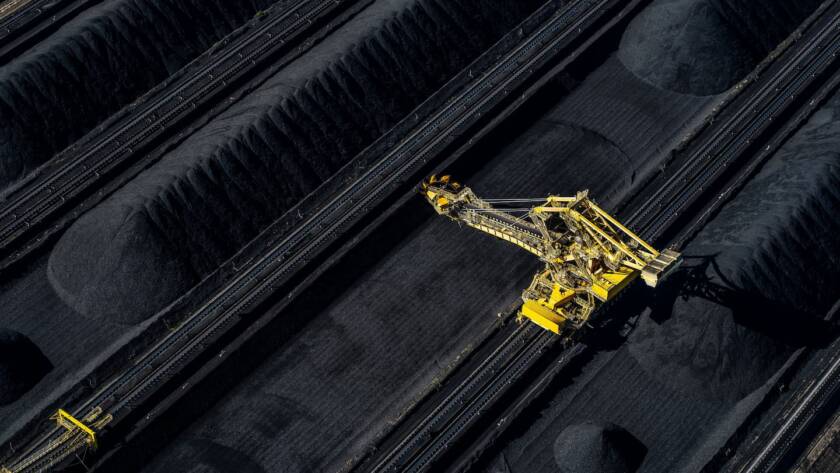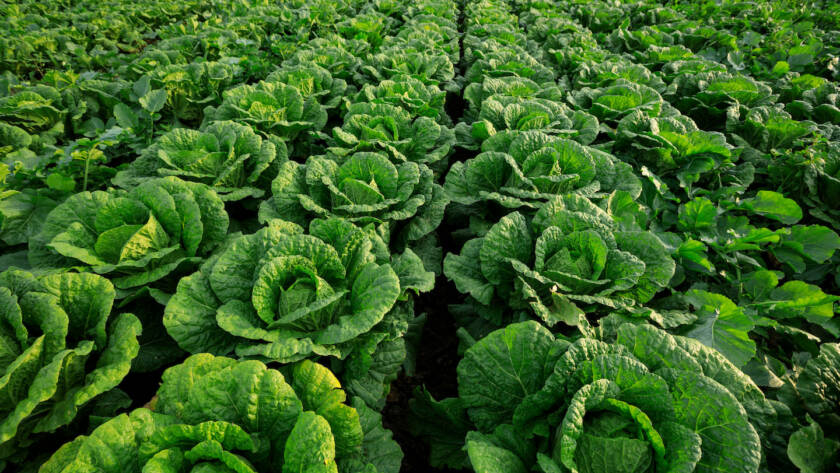

China in October dramatically increased imports of fossil fuels, industrial metals and agricultural commodities, a run on raw materials that if sustained will have a major impact on prices and supply chains.
China continued to increase its ferocious energy consumption, hiking imports of natural gas 120.1% year-on-year to 8.8 million tons, coal 23.3% to 36…
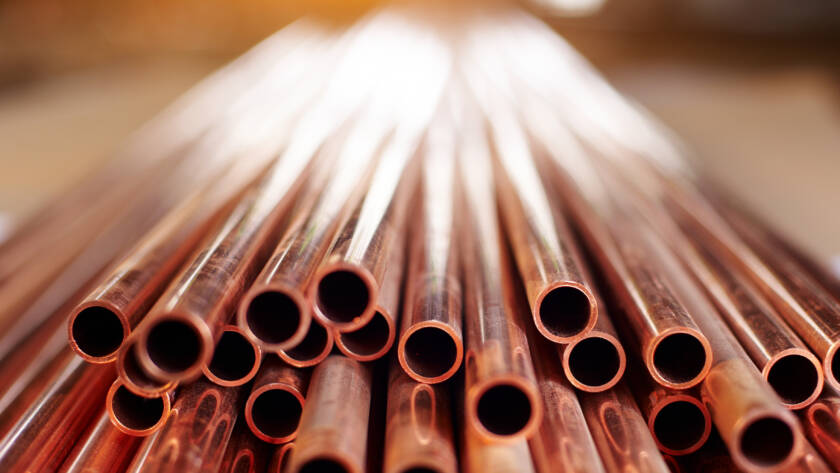
The world’s biggest exporter reported another month of dismal trade figures for June. Chinese exports declined 13% year-on-year in the month to $285.3 billion, and imports fell 6.9% to $214.7 billion.
The decline was driven by a massive drop in consumer spending in the U.S. and Europe, caused by inflation, fallout from the Covid-19 pandemic, and…
As expected, China reported lackluster trade numbers this week, signaling a possible recession in the U.S. and more trouble for the global economy.
Chinese exports fell for the first time in three months, dropping 7.5% year-on-year to $283.5 billion. Imports dropped 4.5% to $217.7 billion.
The World Bank this week said that the global economy…
Higher prices for rare-earth minerals and strategic support from the U.S. and other governments have sparked further investment, production, and international trade, diversifying supply for minerals that are essential to high-tech production.
Rare earths elements, such as dysprosium, lanthanum and cerium, are 17 elements used as niche ingredients in magnets, batteries and catalytic converters.
These…
Correlations between urea and natural gas pricing can exist during periods when supply and demand disruptions are not driving prices.
This is logical given that the urea value chain starts with natural gas. Using statistics from Trade Data Monitor, Baltic country (Denmark, Estonia, Finland, Germany, Latvia, Lithuania, Poland, Russia, and Sweden) natural gas import prices…
The world was rocked in 2022 by Russia’s invasion of Ukraine, punishing inflation, and slackening demand in the U.S. and Europe. That’s dampened expectations for exports and imports in 2023. Global trade growth will slow to 1%, according to the World Trade Organization, because of inflation, higher interest rates, weaker demand in the U.S. and…